Septic Tank Maintenance Checklist for Homeowners
Septic tank maintenance is one of those homeowner responsibilities that’s easy to forget, until something goes wrong. A well-maintained septic system can last decades, but poor maintenance can lead to backups, health risks, and repairs that cost thousands of dollars.
This checklist explains what to do, why it matters, and how often, so you can protect your home and avoid emergency septic issues.
Why Septic Tank Maintenance Matters
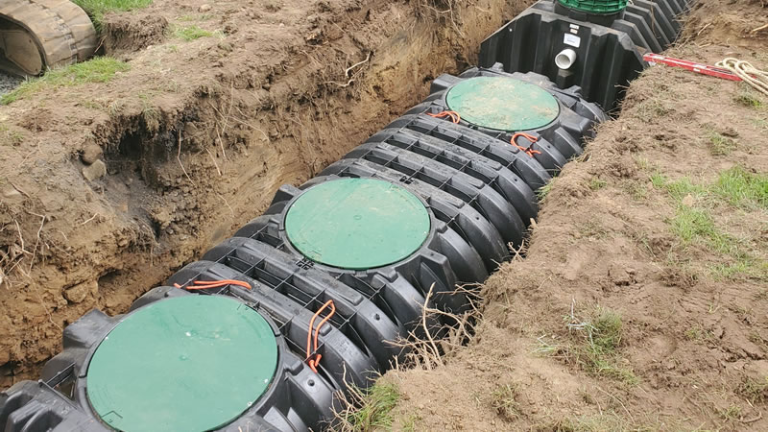
Your septic system treats all the wastewater from your home. When it’s not properly maintained, solids build up inside the tank and can overflow into the drain field, causing permanent damage.
Regular septic system maintenance helps homeowners:
- Prevent sewage backups into sinks, toilets, and showers
- Avoid drain field failure (the most expensive septic repair)
- Extend the lifespan of the septic tank and soil absorption system
- Reduce the risk of groundwater contamination
- Maintain property value and avoid surprise emergencies
Simply put, preventive maintenance costs far less than repairs.
Septic Tank Maintenance Checklist for Homeowners
This checklist is designed around realistic homeowner habits and professional septic recommendations.
Monthly Septic Maintenance Tasks
Monthly checks help you catch early warning signs before they turn into major problems.
What to do:
- Watch for slow drains, gurgling sounds, or toilets that flush poorly
- Pay attention to unusual odors, especially near drains or outdoors
- Fix leaky faucets or running toilets immediately
- Be mindful of water usage, and spread laundry loads throughout the week
Why it matters:
Excess water can overwhelm your septic tank and push solids into the drain field. Small plumbing issues, if ignored, can shorten the life of your system.
These habits are the foundation of good septic care tips.
Every 3–6 Months: Exterior & Usage Checks
These checks focus on protecting the physical components of your system.
What to do:
- Inspect the area above the septic tank and drain field for:
- Standing water
- Soft or spongy soil
- Sewage smells
- Ensure septic lids and risers are secure and undamaged
- Keep heavy vehicles, trailers, and equipment off the drain field
Why it matters:
Driving or placing weight on the drain field can crush pipes and compact soil, reducing its ability to absorb wastewater. Early visual signs often indicate internal issues developing below the surface.
Annual Septic System Inspection
An annual inspection is one of the most important steps in maintaining a septic system.
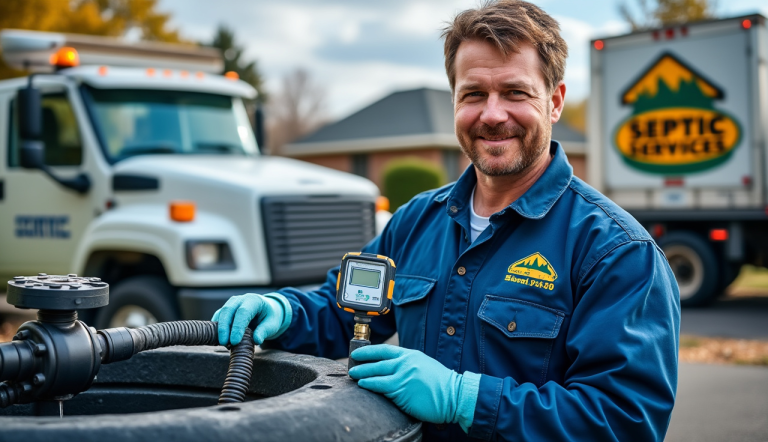
What professionals check:
- Sludge and scum levels inside the tank
- Condition of inlet and outlet baffles
- Signs of leaks, corrosion, or blockages
- Drain field performance
Why it matters:
Inspections help determine when pumping is needed and catch mechanical issues before they cause system failure. Skipping inspections often leads to pumping being done too late.
Every 3–5 Years: Septic Tank Cleaning (Pumping)
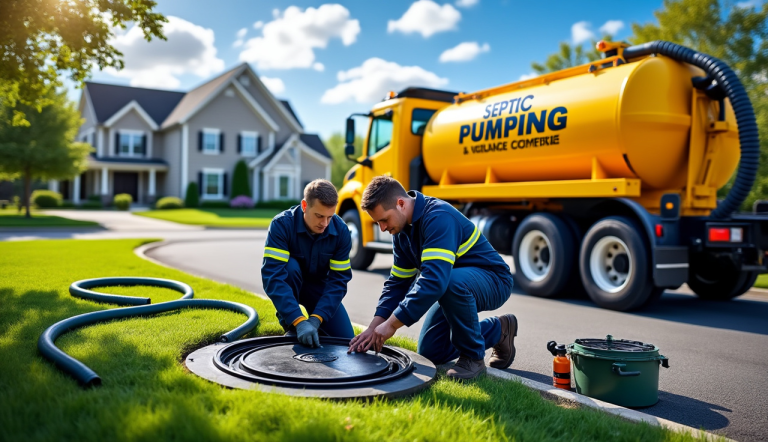
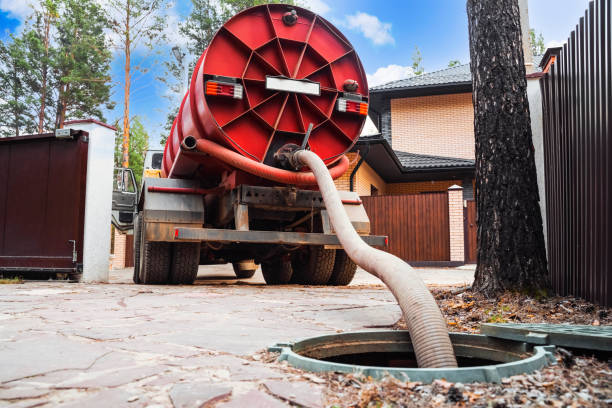
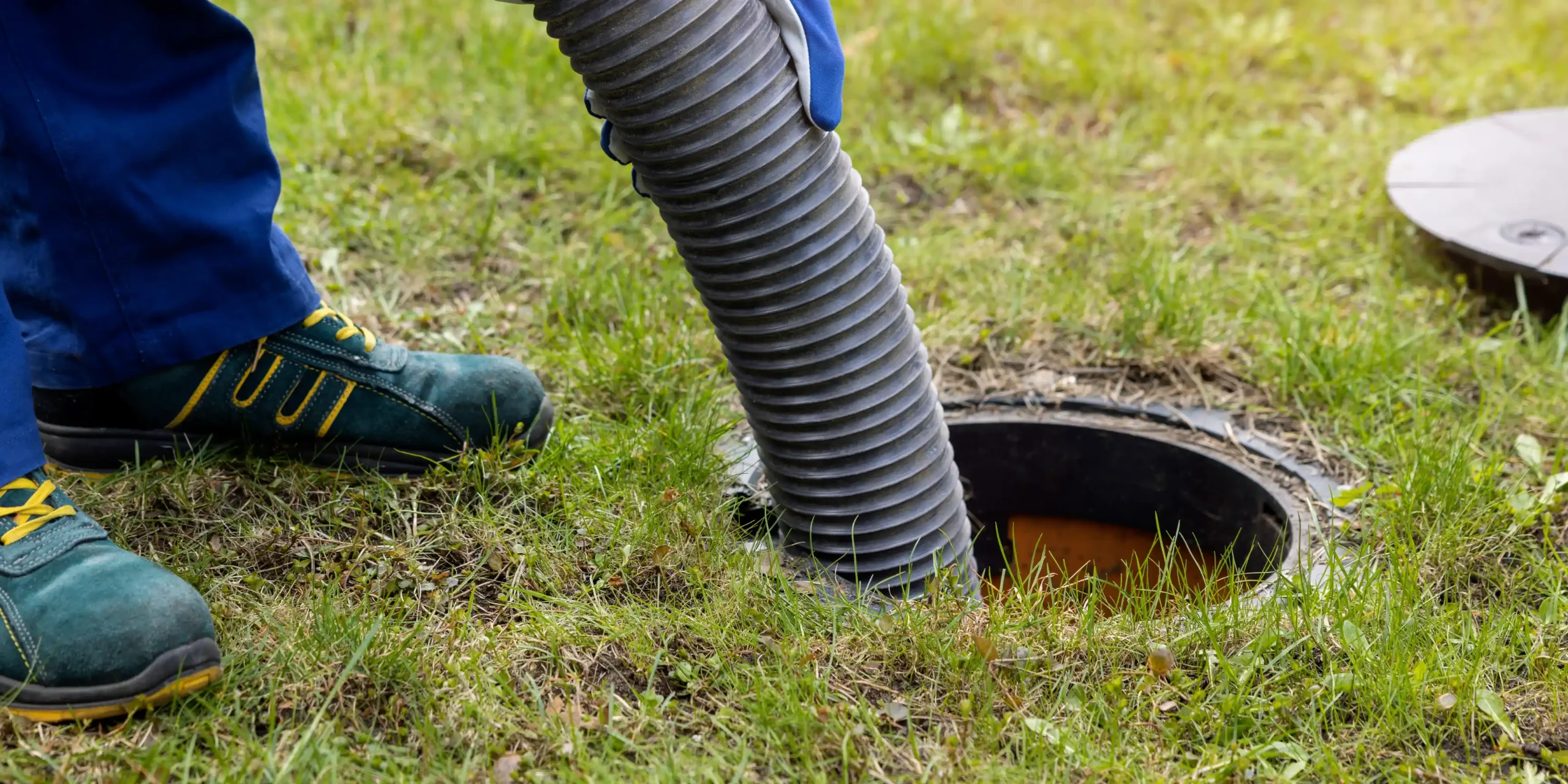
Septic tank cleaning removes solid waste that naturally accumulates over time.
How often you need pumping depends on:
- Household size
- Septic tank capacity
- Water usage habits
- Use of garbage disposals
Why pumping is critical:
When solids are not removed, they flow into the drain field and clog the soil. Once a drain field fails, it often cannot be repaired, only replaced.
Routine pumping is one of the most cost-effective septic system maintenance steps a homeowner can take.
What NOT to Do If You Want a Healthy Septic System
Many septic problems are caused by everyday habits that homeowners don’t realize are harmful.
Avoid flushing or draining:
- “Flushable” wipes
- Paper towels or feminine hygiene products
- Grease, oil, or food scraps
- Medications, chemicals, or harsh cleaners
Why this matters:
These materials don’t break down properly and can clog pipes, damage bacteria balance, and overload the tank.
Good habits are just as important as professional maintenance.
Warning Signs Your Septic Tank Needs Immediate Service
If you notice any of the following, don’t wait:
- Sewage backing up into drains or toilets
- Persistent foul odors indoors or in the yard
- Standing water or overly green grass near the drain field
- Sudden changes in drainage speed
These are signs your system may already be stressed or failing.
Septic Tank Maintenance Checklist (Quick Reference)
| Task | Recommended Frequency |
| Monitor drains, odors, water use | Monthly |
| Inspect tank & drain field area | Every 3–6 months |
| Professional septic inspection | Annually |
| Septic tank cleaning (pumping) | Every 3–5 years |
Final Septic Care Tips for Homeowners
- Keep a written or digital septic maintenance log
- Know the location of your septic tank and drain field
- Teach everyone in the household septic-safe habits
- Work with licensed septic professionals only
Consistent septic tank maintenance protects your home, your health, and your wallet.
Need Professional Help With Your Septic System?
If you want peace of mind knowing your system is being handled correctly, working with experienced professionals makes all the difference. United Sewer Service provides reliable septic inspections, pumping, and maintenance services designed to help homeowners avoid costly repairs and unexpected failures.
Whether you’re due for routine septic tank cleaning or noticing early warning signs, their team can assess your system and recommend the right solution before small issues turn into major problems. Regular septic tank maintenance is easier and far less stressful when you have a trusted local expert on your side.