Wallkill River: How Hydrology Shapes Middletown Properties
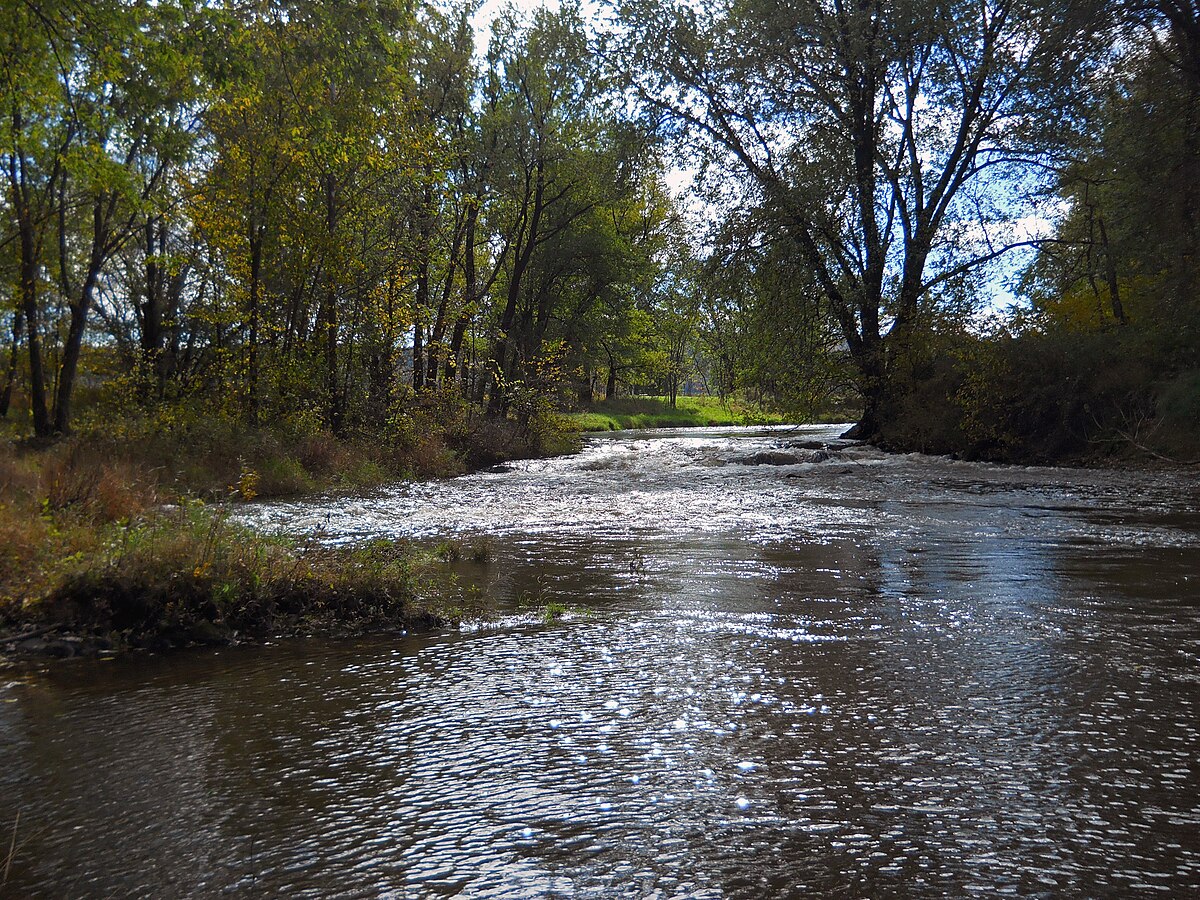
The Wallkill River, a major hydrological feature of Middletown, New York, quietly shapes much of the landscape, real estate development, and infrastructure that residents interact with daily. Winding its way through the Hudson Valley, the Wallkill is not just a geographic marker—it’s a powerful influence on everything from local sewer systems to flood risk assessments and land use zoning. For homeowners, developers, and municipalities in Middletown, understanding the role of this river is essential for sustainable property planning and plumbing system design.
A River that Flows North—And Against the Norm
The Wallkill River is one of the few rivers in the United States that flows north, originating in New Jersey and weaving through Orange County before joining the Rondout Creek. This directional quirk has implications for flood patterns and drainage design in the Middletown area. Unlike south-flowing rivers that often align with gravity-fed sewer systems, the Wallkill’s path demands careful hydraulic engineering, especially in flat or low-lying areas.
Middletown’s Terrain and the River’s Reach
Middletown is nestled in a transitional terrain—between the Shawangunk Mountains and the rolling lowlands of the Hudson Valley. The city is drained by two major waterways: Monhagen Brook and the Wallkill River, with the Wallkill’s watershed reaching far beyond the visible riverbanks.
This proximity means that properties, even those not directly on the river, can be affected by its presence. Subsurface water tables, seasonal flooding, and soil saturation all trace back to the hydrological behavior of the Wallkill. For property owners, this plays out in practical ways—from backyard drainage challenges to the increased need for sump pumps and waterproofing in basements.
Flood Risks and Their Impact on Development
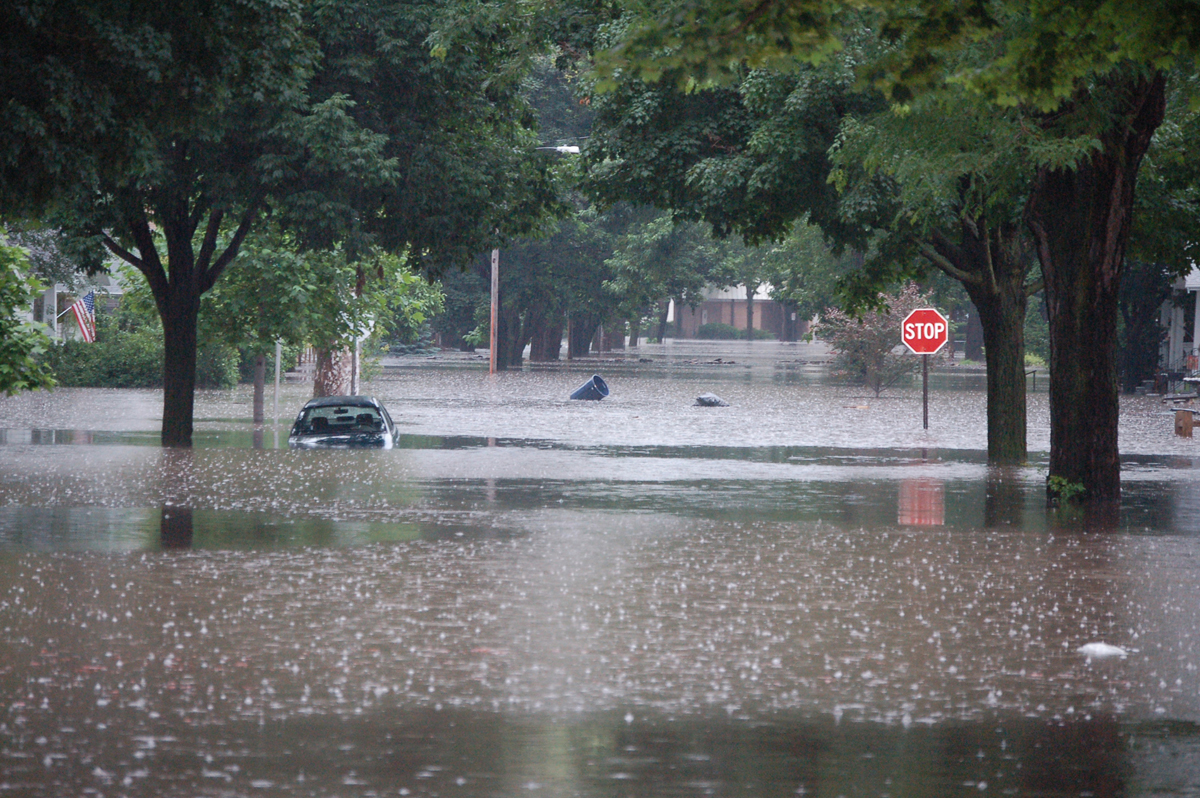
Historically, areas along the Wallkill River have experienced periodic flooding. While Middletown is not as flood-prone as towns directly on the river, its tributaries (like Monhagen Brook) can overflow during heavy rainfall or rapid snowmelt. Floodplain zoning regulations in Orange County restrict certain types of development in these areas and impose requirements for elevated construction, flood-proofed basements, and backflow preventers in sewer lines.
These considerations directly affect plumbing infrastructure. Builders must account for hydrostatic pressure, water table shifts, and potential sewage backup in low-lying areas. In older properties, retrofitting systems to meet modern flood mitigation standards is an ongoing concern.
The Role of the River in Septic and Sewer Systems
For homes and commercial buildings not connected to Middletown’s municipal sewer system, proximity to the Wallkill River can influence the design and permitting of septic systems. The New York State Department of Environmental Conservation (DEC) places strict limitations on leach field placement and waste dispersal near waterways to protect water quality.
Hydraulic conductivity—the rate at which water moves through soil—is often higher near rivers, leading to potential contamination risks if septic systems are improperly sited. Soil tests, percolation rates, and minimum setbacks are all regulated with the river in mind. These factors can influence everything from property values to renovation plans.
Stormwater Management and Green Infrastructure
The Wallkill River has also inspired a growing emphasis on green infrastructure in Middletown. Rain gardens, permeable pavement, and bioswales are being increasingly adopted to manage runoff and reduce pressure on traditional storm drains. For neighborhoods near the Wallkill or its tributaries, these systems are critical in preventing street flooding, erosion, and sewer overflows.
Municipal initiatives have included incentives for homeowners to implement rain barrels and native plant landscaping, both of which help absorb excess rainwater before it enters the stormwater system. Local plumbing companies are adapting by offering services like downspout disconnection, French drain installation, and sump pump maintenance as part of comprehensive water management strategies.
Implications for Property Owners
For Middletown residents, understanding the Wallkill River’s role in local hydrology isn’t just an academic exercise—it’s a practical necessity. Home inspections, insurance rates, and renovation permits all hinge on a property’s relation to this river. Key takeaways include:
- Basement Waterproofing: Homes within the Wallkill’s extended water table zone benefit from proper drainage tiles, sump pumps, and backflow preventers.
- Sewer Line Considerations: Older homes may still have clay or cast-iron sewer pipes susceptible to infiltration from saturated soils.
- Landscape Planning: Strategic grading, swales, and planting can redirect runoff and reduce yard flooding in rainy seasons.
- Long-Term Maintenance: Plumbing systems in river-adjacent neighborhoods require more frequent inspection for corrosion, root intrusion, and water infiltration.
A Legacy of Water, A Future of Resilience
The Wallkill River has shaped Middletown for centuries—from its early agricultural roots to its modern suburban growth. As climate patterns shift and rainfall intensity increases, the river’s influence is likely to become even more pronounced. But with smart planning, informed property management, and proactive infrastructure investment, Middletown can turn the challenges of hydrology into a model of resilience.
For companies like United Sewer & Drain Services, this means helping homeowners stay ahead of the curve—offering solutions that go beyond repairs and into long-term water management. After all, in Middletown, every drop of the Wallkill River flows through the story of the land.